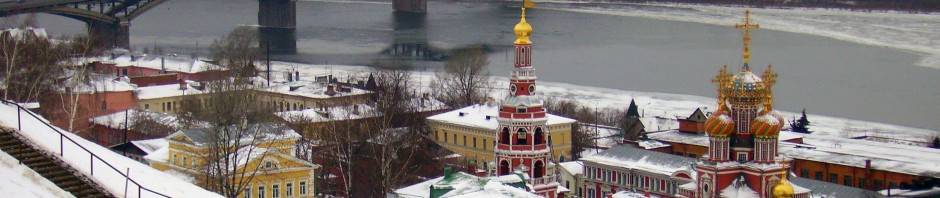
 Borsh is a famous russian soap. Sooooo tasty!!!Originally borsch came from Ukraine and each region in Ukraine has its own borsch recipe. Today there are literally thousands of ways to cook it and “as many recipes for borsch as there are Russians”: Ukrainian borsch, Belarusian borsch, Borsch without potatoes, Borsch with beans, Galitsky borsch, Hetman borsch, Dneprovsky borsch and so on. Everyone will say that the way they do it is the one and only way, but I am cooking borsch the same way my grandma was doing and how my mom currently does.Borsch got its name from the most important ingredient, beets, which were called borsch in old Slavic.
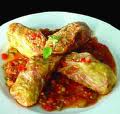 Cabbage Rolls is a dish consisting of cooked cabbage leaves wrapped around a variety of fillings. It is common to the peasant cuisines of Europe and Western Asia, and has also found popularity in areas of North America settled by Eastern Europeans.The filling is traditionally based around meat, often beef, lamb or pork and is seasoned with garlic, onion and spices. Grains such as rice andbarley, eggs, mushrooms and vegetables are often included in the filling as well. Pickled cabbage leaves are often used for wrapping, particularly in Southeastern Europe. As only the largest leaves can be used, small pieces of cabbages are often mixed into the stuffing and sauce. As the dish originated as a way to use leftover food, other ingredients may also be used in the stuffing.
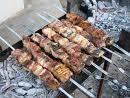 Shaslik is a dish consisting of marinated cubes of lamb or beef grilled or roasted on a spit, often with slices of eggplant, onion, and tomato; shish kebab.

Russian Winter Salad
Salade Olivier (салат Оливье in Russian) is a salad composed of diced potatoes, vegetables and meats bound inmayonnaise.[1] This salad is often incorrectly called Russian salad, although the term Russian salad (or more commonly salade russe in French) is used by professional chefs to refer to the salad called винегрет in Russian.
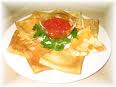 Pancakes with caviar
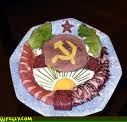 Russian Kalbasa
Different types of salami used as an appetizer.
 Ekaterina's world